US Television Comparison & Specification Guide

Compare TVs & Find the Right Screen for Your Home

Explore independently verified television specifications, compare OLED, QLED, and Mini-LED technologies, and discover optimal screens for movies, gaming, sports, and everyday streaming.

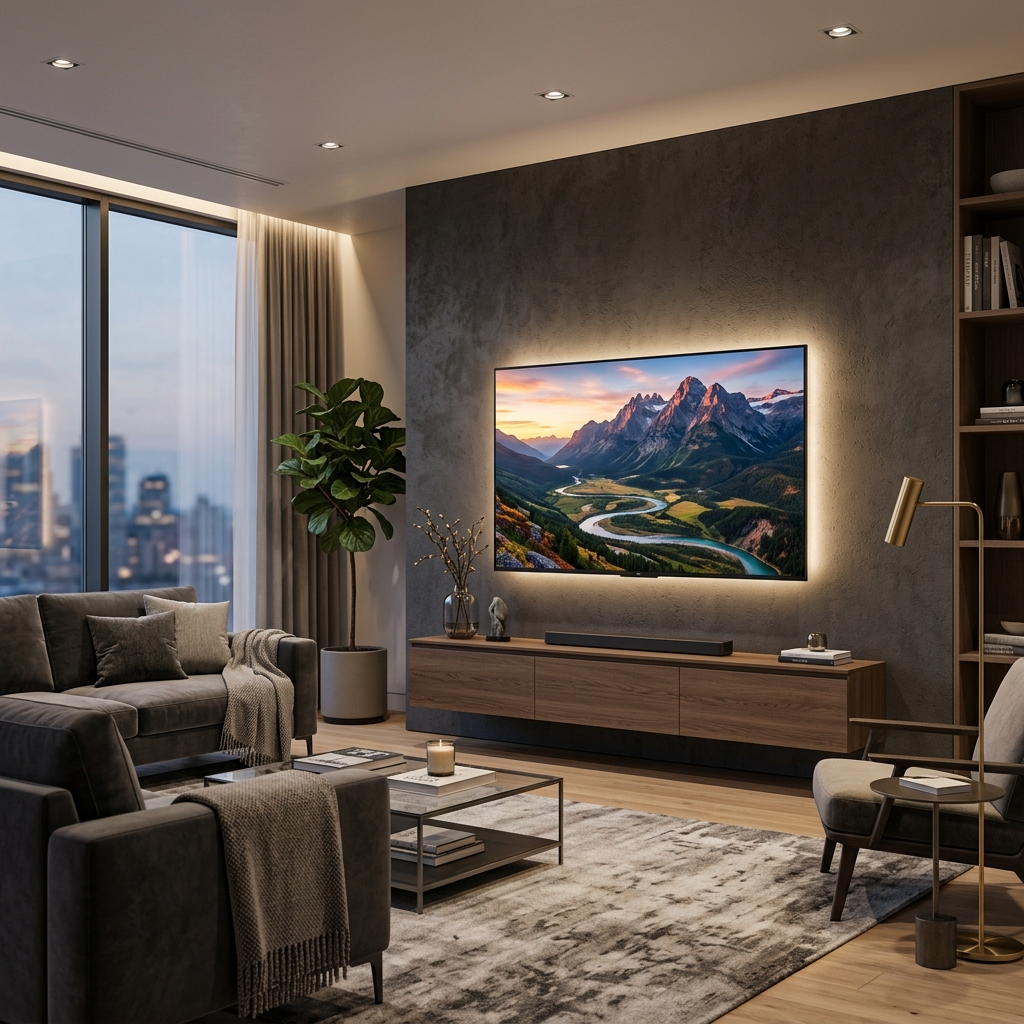
Modern luxury living room featuring ultra-thin 65-inch 4K Smart TV mounted on accent wall
📢 Transparency Disclosure: SmartTV Matrix is an independent product comparison & education platform. We earn from qualifying purchases completed through Amazon affiliate links.
Read Full Disclosure →

Featured Verified Televisions

Hand-picked, specification-verified 4K and 8K televisions across LG, Sony, Samsung, TCL, Hisense, Roku, and Fire TV.

OLED 120Hz/144Hz 4x HDMI 2.1
LG OLED65C5PUA 65-Inch C5 OLED evo 4K Smart TV
LG • C5 Series OLED evo2025/2026

LG 65" C5 Series OLED evo 4K Smart TV (OLED65C5PUA)

Screen Size65 Inches
Smart OSwebOS 25
Panel Rate120Hz/144Hz
HDR SupportDolby Vision IQ
  • OLED evo panel with Brightness Booster for vibrant contrast
  • α9 AI Processor Gen 8 powering deep-learning 4K upscaling
  • Native 144Hz VRR gaming with 4x HDMI 2.1 ports
QLED Mini-LED 120Hz
Sony BRAVIA 30 Series 65-Inch Mini-LED 4K Google TV
Sony • BRAVIA 30 Series2026

Sony BRAVIA 30 65" Mini-LED 4K Google TV (K-65XR30M2)

Screen Size65 Inches
Smart OSGoogle TV (Gemini)
Panel Rate120 Hz
HDR SupportDolby Vision
  • XR Processor with Gemini AI for real-time scene understanding
  • Mini-LED local dimming backlight for extreme contrast
  • Auto HDR Tone Mapping exclusively tuned for PlayStation 5
QLED Mini-LED 144Hz
TCL 75-Inch QM7L Series QD-Mini-LED 4K TV
TCL • QM7L Series2026

TCL 75" QM7L QD-Mini-LED 144Hz 4K Smart TV (75QM7L)

Screen Size75 Inches
Smart OSGoogle TV
Panel Rate144 Hz
HDR SupportDolby Vision IQ
  • Ultra-bright QD-Mini-LED panel reaching 2,400+ nits peak brightness
  • Over 1,500 local dimming zones eliminate shadow blooming
  • Onkyo 2.1 channel speaker system with built-in subwoofer
Explore Full 50+ TV Catalog →

Compare TV Display Technologies

Understand the core differences in panel engineering before making your purchase decision.

OLED Technology

Self-Emissive Pixels

Every pixel produces its own light. Delivers perfect pitch blacks, infinite contrast, and instant response times ideal for dark rooms and movies.

View OLED TVs →
QLED Technology

Quantum Dot Color

Quantum dot film layer enhances color volume and brightness. Excellent choice for bright living rooms with direct window sunlight.

View QLED TVs →
Mini-LED Technology

Precision Local Dimming

Thousands of microscopic LEDs provide precise backlight control, achieving OLED-like dark contrast paired with massive peak brightness.

View Mini-LED TVs →

TV Size & Viewing Distance Guidance

Selecting the right screen size prevents eye strain and provides optimal cinematic field of view.

Drag slider to match your room seating arrangement.

Recommended Screen Size
65" – 75"

Based on SMPTE (30°) & THX (40°) Field-of-View Standards

Open Full Room Size Calculator →

Why Trust SmartTV Matrix?

We provide objective product data, verified specifications, and transparent affiliate links without bias or artificial hype.

🔍

Independently Verified Data

We distinguish native 120Hz panel refresh rates from marketing motion claims, verify HDMI 2.1 port counts, and catalog exact model numbers.

⚖️

Side-by-Side Comparison

Compare up to 4 televisions side-by-side with automatic difference highlighting. Evaluate VRR, ALLM, eARC, and audio support at a glance.

🛒

Verified Amazon Direct Links

Purchases are completed safely on Amazon. We never process direct payments, handle returns, or store credit card details on our platform.

Frequently Asked Questions

Common questions when researching and purchasing a television online.

How does SmartTV Matrix verify TV specifications?

Every television link supplied to our system undergoes model-level verification. We cross-reference Amazon listing parameters with official manufacturer spec sheets to isolate native panel refresh rates, true HDMI 2.1 bandwidth availability, smart OS versions, and physical dimensions.

What is the difference between native refresh rate and motion rate?

Native refresh rate (measured in Hz, such as 60Hz or 120Hz) represents how many unique frames the hardware panel can physically display per second. Marketing terms like Motionflow 240 or TruMotion 240 combine backlight blinking or frame insertion software. Next-gen console gaming requires a native 120Hz panel.

How do Amazon affiliate purchases work?

When you click 'Buy Now' on any product card, you are directed to the official Amazon product listing. Prices, shipping options, seller selection, warranty options, and returns are governed directly by Amazon's policies.

Compare Selection:
(0/4)
Open Comparison Matrix →